

As a South African business owner, you’re constantly juggling a myriad of regulations, striving for growth while ensuring you operate ethically and legally. Among these, the Protection of Personal Information Act (POPI Act) stands as a cornerstone of data privacy, fundamentally changing how businesses handle personal information. But what does POPI Act compliance truly mean when it intersects with other vital pieces of legislation like COID, PAIA, and UIF? It’s more than just ticking boxes; it’s about building a foundation of trust and accountability that strengthens your operations and even impacts your B-BBEE standing.
Many businesses view compliance as a burden, a complicated web of rules. However, we see it as a strategic imperative. When handled correctly, understanding these interconnected acts empowers you to safeguard your data, protect your employees, and build a more robust and responsible enterprise. Let’s break down what you need to know.
The POPI Act: A Quick Refresher
At its heart, the POPI Act is designed to protect individuals’ personal information. This means any data that can identify someone, including names, contact details, ID numbers, financial records, health information, and even their opinions. If your business collects, stores, processes, or shares this kind of information, the POPI Act applies to you. This broad scope means virtually every South African company, regardless of size, falls under its jurisdiction.
The Act outlines eight core conditions for the lawful processing of personal information, including accountability, processing limitation, purpose specification, further processing limitation, information quality, openness, security safeguards, and data subject participation. Failing to comply can lead to significant penalties, reputational damage, and a loss of customer trust.
How POPI Act Compliance Intersects with Other Key Legislation
Understanding the POPI Act in isolation isn’t enough. Its principles permeate other legislative requirements that are integral to running a business in South Africa.
COID (Compensation for Occupational Injuries and Diseases Act)
The COID Act mandates that employers provide compensation for employees who suffer injuries or diseases in the course of their employment. To administer this, businesses collect a significant amount of personal and sensitive employee information, including medical records, injury reports, and personal contact details.
Under the POPI Act, collecting this data for COID purposes must be done lawfully. This means:
- Purpose Specificity: You must collect only the information necessary for COID claims.
- Consent (or Legal Obligation): While COID creates a legal obligation, employees should still be informed about why their data is being collected and how it will be used.
Security Safeguards: Medical and injury reports are highly sensitive. Robust security measures are crucial to protect this data from unauthorised access or breaches.

PAIA (Promotion of Access to Information Act)
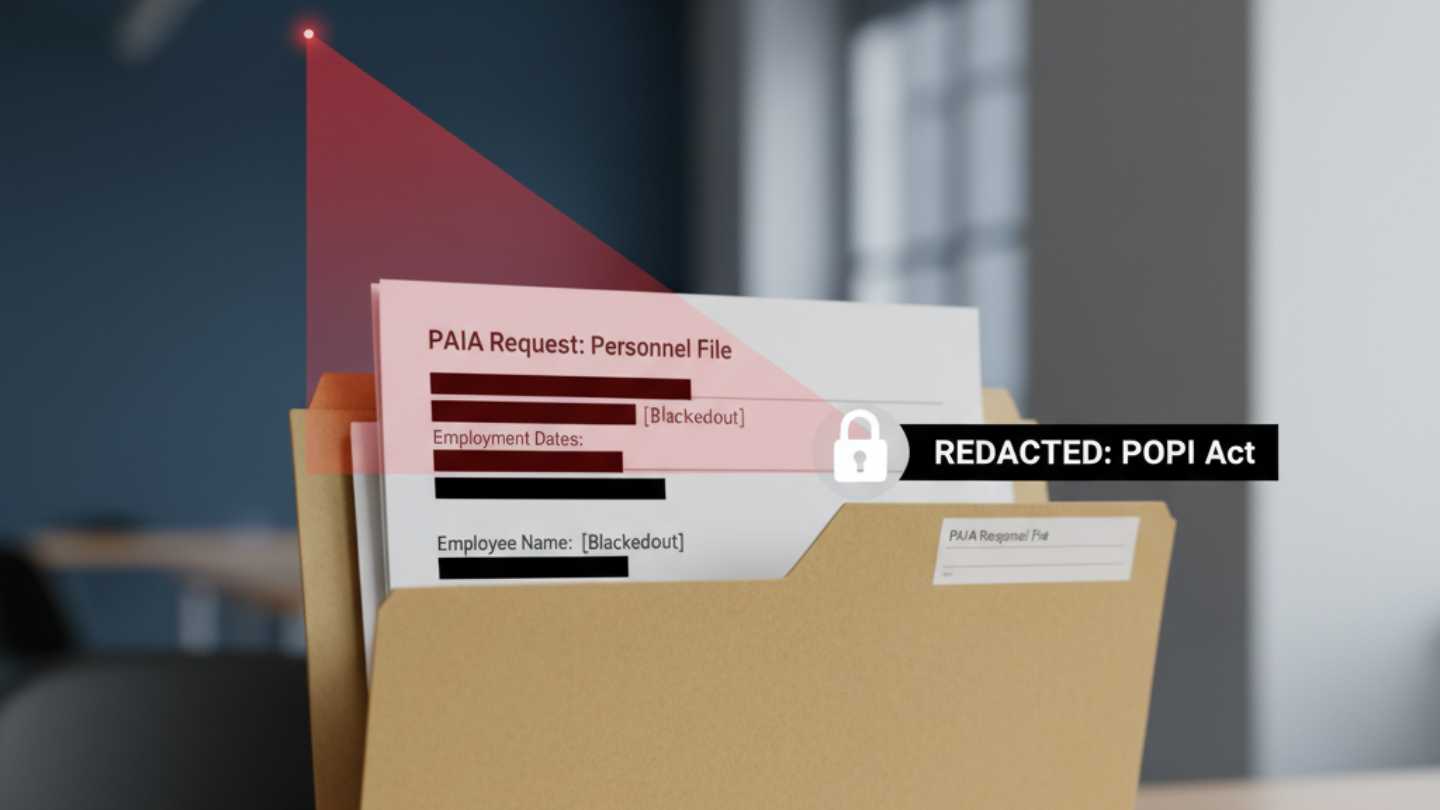
The PAIA Act grants individuals the right to access information held by both public and private bodies. This includes information your business holds about them. While PAIA is about granting access, the POPI Act guides how that access is managed, especially when the requested information contains personal details of third parties. All private bodies must have a PAIA Manual, which now typically integrates POPIA references per Section 51(1)(e) amendments.
For instance, if a former employee requests their personnel file under PAIA, you must provide it. However, if that file contains personal information about other employees (like their performance reviews or contact details), you would typically need to redact that third-party information to comply with the POPI Act, unless specific exemptions apply or consent is obtained. It’s a delicate balance between transparency and privacy.
UIF (Unemployment Insurance Fund)
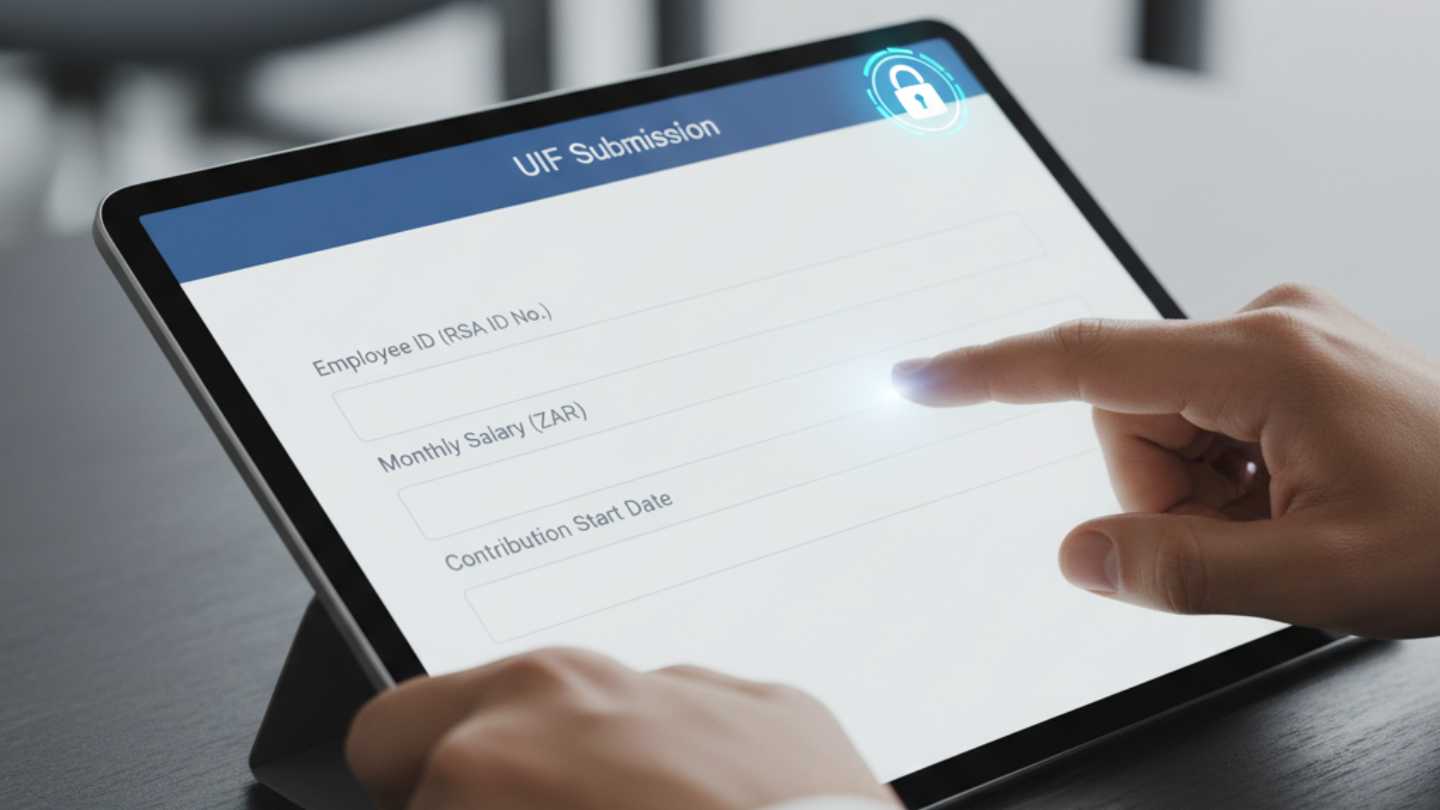
The UIF Act provides short-term financial relief to workers during periods of unemployment, maternity leave, or illness. Employers are required to register their employees for UIF and submit monthly contributions, which involves collecting and processing employee ID numbers, salary information, and other personal identifiers.
Similar to COID, the collection and processing of this data for UIF purposes is a legal obligation. However, POPI Act principles still apply:
- Accuracy: Ensure the personal information submitted to the UIF is accurate and up-to-date.
- Retention: Retain UIF-related personal information only for as long as legally required.
- Security: Safeguard this sensitive financial and personal data from any potential breaches.
Navigating the Landscape: A Strategic Imperative
For any business, the question “Who does the POPI Act apply to?” often arises. The simple answer is, if you process any personal information, you’re bound by it. This includes your employees, customers, suppliers, and even website visitors. Integrating POPI Act compliance with your existing COID, PAIA, and UIF processes isn’t just about avoiding penalties; it’s about fostering a culture of trust, transparency, and efficiency.
Here’s a snapshot of how these acts interact:
Act | Core Purpose | Key Data Involved | POPI Act Impact | Why it Matters for Your Business |
|---|---|---|---|---|
POPI Act | Protect the personal information of individuals. | All personal data (names, IDs, health, etc.) | Overarching principles for all data processing. | Avoid fines, build trust, protect reputation. |
COID Act | Compensation for work-related injuries/diseases. | Medical records, injury reports, employee IDs. | Requires lawful, secure handling of sensitive health data. | Ensure employee welfare and legal compliance. |
PAIA Act | Right to access information held by bodies. | Any record held by the business. | Guides the redaction of third-party personal info when granting access. | Balance transparency with privacy, avoid disputes. |
UIF Act | Unemployment and social security benefits. | Employee IDs, salaries, and contact details. | Ensures accurate, secure processing of essential employee data. | Fulfil social security obligations, avoid penalties. |
Practical Steps for Business Owners
- Conduct a Data Audit: Identify all personal information your business collects, where it’s stored, how it’s processed, and why.
- Update Policies and Procedures: Review and update your privacy policy, PAIA manual, COID reporting procedures, and UIF data submission protocols to align with POPI Act principles.
- Implement Security Measures: Enhance data security for all personal information, especially sensitive data handled for COID and UIF. This includes physical and digital safeguards.
- Train Your Staff: Ensure all employees who handle personal information understand their responsibilities under the POPI Act and related legislation.
- Appoint an Information Officer: Designate someone responsible for POPI Act compliance within your organisation.
- Review Contracts: Ensure contracts with third-party service providers (e.g., payroll, HR systems) include POPI Act-compliant clauses regarding data processing.
By proactively addressing these areas, you’re not just complying with the law; you’re demonstrating a commitment to ethical conduct, which resonates deeply with employees, customers, and partners. This strategic approach to compliance can even bolster your B-BBEE efforts, particularly within the Management Control and Skills Development elements, by fostering a more transparent and equitable workplace.
Ready to Optimise Your Compliance Journey?
Navigating the intricacies of POPI Act compliance alongside other critical legislation can be complex, but you don’t have to do it alone. FinX BEE specialises in providing tailored solutions that help South African businesses achieve optimal compliance and sustainable growth. Our experts can guide you through data privacy, labour relations, and B-BBEE strategy, transforming compliance from a challenge into a competitive advantage.
Contact FinX BEE today to discover how our customised solutions can empower your business to confidently manage its legal obligations and unlock its full potential.